
Short answer: no. People have been asking me this since 2015 and my answer hasn’t changed — except that today I’d say print-on-demand is in better shape than it was. Fewer sellers competing, cheaper suppliers, and AI has all but removed the design cost. The full reasoning is below, after a quick explanation of where I’ve been.
Hello,
I owe you an apology.
I went dark for months.
No emails. No updates. Nothing.
A few of you wrote in asking if I was still alive.
I was. (Just busy eating street food and ignoring my inbox.)
But here’s what actually happened…
Last Q4, I worked like crazy. Days. Nights. Both my Shopify store and Amazon store were on fire (in a good way).
Sales were strong. Revenue hit a number I was happy with.
Happy enough to stop working.
So I did.
I just… left.
Packed a bag, opened my laptop from the hotel room or cafe instead of my office, and finally slowed down.
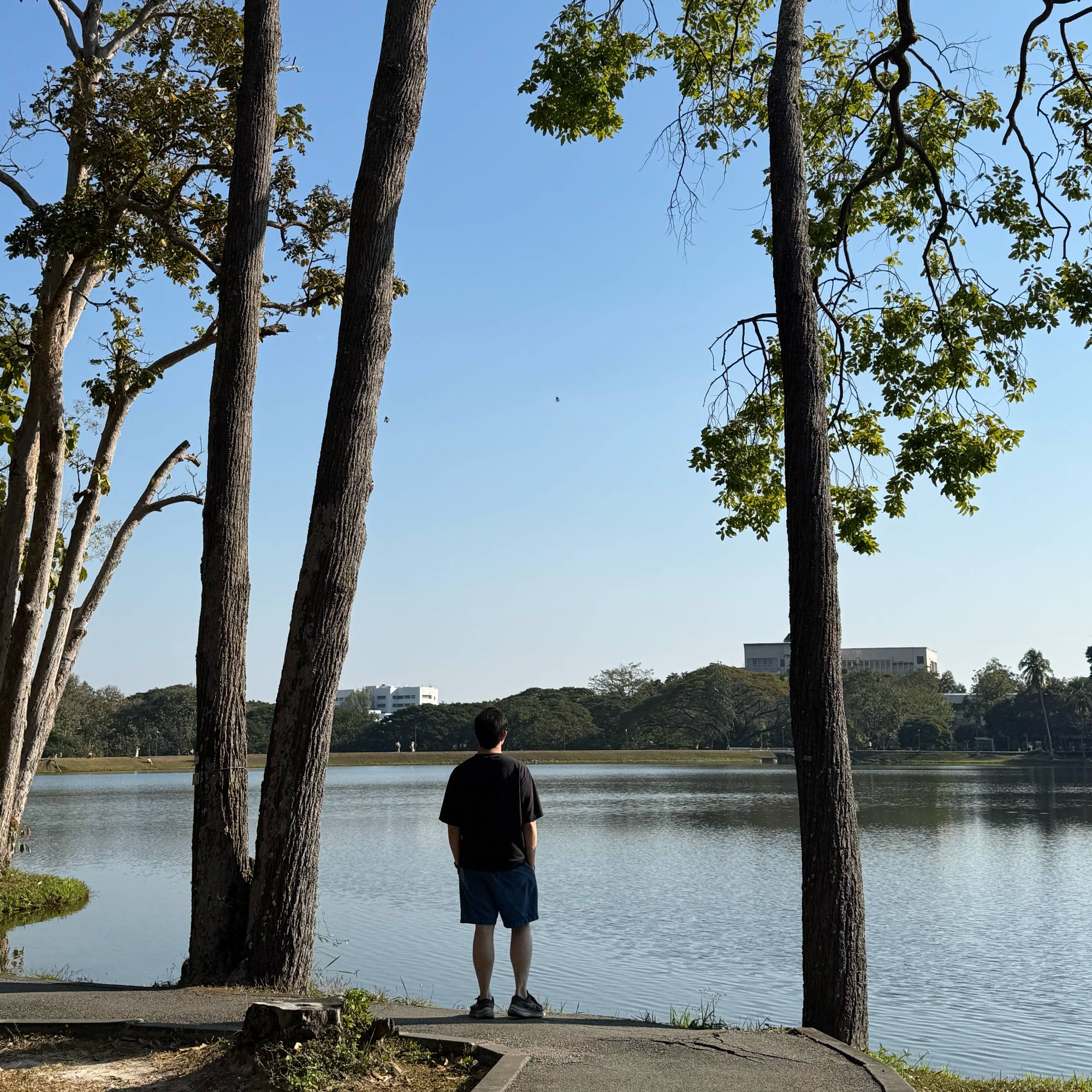
(More trips coming next month too.)
That’s why you didn’t hear from me. Sorry about that.
Now.
On to the big question I keep getting asked…
“Is print-on-demand dead?”
People have asked me this since 2015.
My answer is still the same.
No.
Actually, it’s better than ever.
Here’s why…
Fewer sellers now.
Most people I knew in print-on-demand quit.
They chased the next shiny thing. Usually AI stuff.
That left the door wide open for me.
When I run Amazon Ads for my products now, my main competition is… my wife. And a small handful of sellers using PODtomatic.
That’s it.
We’ve quietly taken over the top ad spots for dozens of small niches. And we’re paying less than $1 per click in most of them.
Less than $1. For targeted buyers. On Amazon.
That’s almost unheard of in paid ads today.
Products cost less to make.
Back in 2015, print-on-demand suppliers were inconsistent.
Slow shipping. High costs. You paid a premium just for the convenience of not having to hold inventory.
Today? Completely different story.
I use CustomCat as my main supplier.
They’ve invested in real infrastructure over the years, automated production lines, faster fulfillment, and tighter quality control.
Watch how CustomCat makes your products.
See those robots? That’s not a garage operation anymore.
And because their costs went down, mine did too.
I’m paying less per shirt and mug today than I did ten years ago.
Same selling price. Lower cost. More profit per sale.
AI changed everything.
Here’s where it gets interesting.
Back in the day, I needed to hire a graphic designer every time I wanted a new design.
I paid $20 per design. Sometimes more.
I once paid $250 for a single piece of artwork (and this was not the winner…that’s sad.)
To test 20 designs? That’s $400 just to find out what sells.
Today? I pay $10/month for MidJourney. I can generate hundreds of designs in an afternoon.
I subscribed for just 2 months in 2023. I still haven’t used all the designs I made.
But AI doesn’t just help with designs.
Last week I was waiting for my wife to get ready. (You know how that goes.)
I had about an hour to kill. I was thinking about my Shopify store and how I was paying $29.99 per month for an Order Tracking app.
That’s $360 a year. Just for one app.
I pulled out my laptop and asked Claude Code one simple question.
“How do I stop paying $29.99 a month for my order tracking app?”
An hour later, I had my own tracking page. Built from scratch. Running in my store.
$360 a year. Gone. Just like that.
I’m now going through every app I pay for.
One by one. Replacing them.
The savings are stacking up fast.
I want you to really sit with that for a second.
Less than one hour. $360 saved. Every single year.
That’s what AI actually looks like when you use it properly.
Not writing social media posts about how AI is changing the world.
Not generating inspirational quotes with a robot avatar.
Not showing off how many tokens you’ve used in screenshots to your friends.
Solving a real problem.
Saving real money.
Saving real time.
Check your daily workflow. Find one thing you’re paying for every month, an app, a tool, a subscription. Then ask AI if it can replace it.
Start there.
The one-person business has never been easier to run. Don’t waste it.
Alright, that’s the update.
I have more to share about the exact POD setup that’s working right now, and how I’m using AI to run most of it on autopilot.
I’ll write soon. I mean it this time.
Talk soon,
Bank K.
P.S. If you read all the way to the end, just reply and say “hi.” I want to know you’re still out there. :)
